
Sunday Sermonettes #107
“Have you ever listened to Boney M’s famous song, By the Rivers of Babylon, and wondered about the story behind it?
It’s a melody that has travelled across generations and across the world. But behind this beautiful song are words that came out of a very painful period in the history of God’s people—a story of pain, exile, and a surprising message of hope.”
The words of this song are taken mainly from Psalm 137.
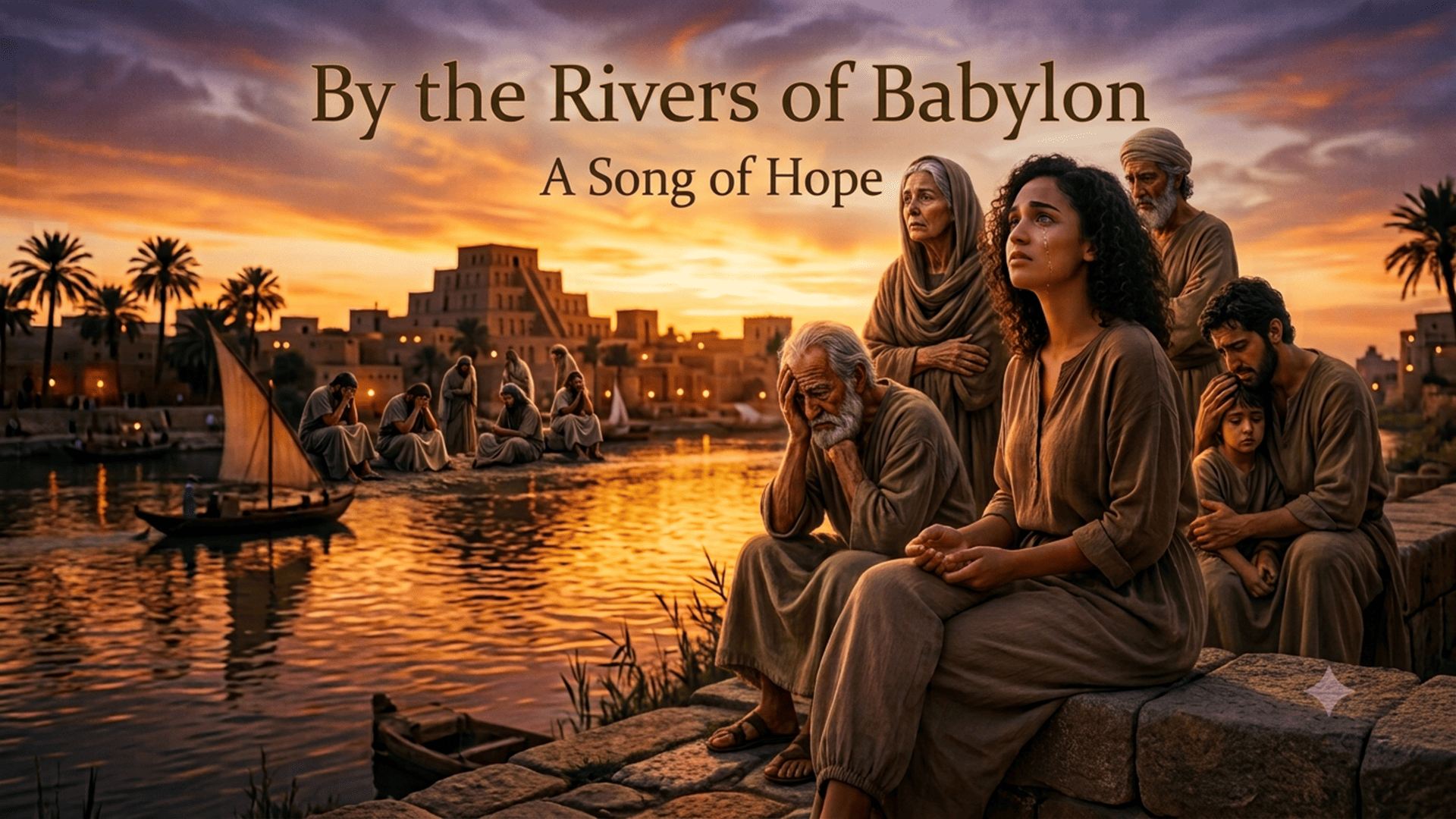
The people of God had been taken captive and carried away to Babylon. They were far from their homeland. They had lost almost everything they held dear. And there, by the rivers of Babylon, they remembered Zion—their capital city and center of worship.
Their captors asked them to sing one of the songs of Zion. But how could they sing? They were broken-hearted. They were in a strange land, in captivity, with no immediate hope of returning home.
Yet, when we look at this Psalm and the message God gave His people through Prophet Jeremiah, we find some very important lessons for us today.
Opportunties in the Present
First, it is a message about the opportunities we have in the present.
We can spend so much time looking back at lost opportunities, wasted years and things that did not work out. But God told His people, even while they were in captivity, to build their lives where they were. They were to work. They were to build houses. They were to plant gardens. They were to live their lives faithfully in the place where they found themselves.
And that is something we need to remember. You may not be where you wanted to be. You may look back and regret some of the opportunities you have lost. But don’t spend all your time looking back. Do what you find to do right now with all your heart and with all your strength. Do it with enthusiasm. Make the best use of the opportunities that are before you today.
Promise of God’s Help
Second, there is the promise of God’s help in the midst of hopelessness.
The people in captivity may have felt that God had forgotten them. But God had not forgotten them. Even though they were going through a difficult period, God was still with them. He was still working out His purposes for them.
Perhaps you too are going through a period of hopelessness. Perhaps circumstances have restricted you. Perhaps you feel that your life is not moving in the direction you wanted it to move. But remember this: God has not forgotten you. The Bible tells us: “The LORD is close to the brokenhearted and saves those who are crushed in spirit” (Psalm 34:18, NIV 1984). He is compassionate. He knows what you are going through.
God’s Plan for Your Life
Third, God has plans for your life.
Through Jeremiah, God gave His people a message of hope. In Jeremiah 29:11, He said: “For I know the plans I have for you,” declares the Lord, “plans to prosper you and not to harm you, plans to give you hope and a future.”
This was a promise given to people who were in captivity. And that is important. Your present circumstances may restrict you, but they do not have to determine the final outcome of your life. So do whatever your hands find to do. Do it to the best of your ability. And wait patiently for God’s appointed time.
There is a time that God has appointed for everything. Sometimes we want the situation to change immediately. But sometimes faith means continuing to trust God while we wait.
Therefore, do not yield to despair. Instead, connect with God. There is no one else who can repair the smudges on the canvas of your life like He can. He listens when your heart sighs in despair. He is near when you feel broken. And He can give you strength to continue.
Listen to the Song Once Again
Now listen to the song once again with this thought in mind. It was the voice of despair of a people taken captive in war. They were asking, in effect, “How can we sing the Lord’s song in a strange land?” It was the cry of broken hearts. But that was exactly what their captors demanded. They said, in effect, “Sing.”
And now, 2,500 years later, those very cries of a people in exile have conquered the world as a song. What began as the cry of people who were hurting became a song that continues to speak to people today.
And the song ends with words from another Psalm—Psalm 19—turning our attention towards God and towards the words of our mouths and the meditation of our hearts, that they may be pleasing in His sight. In other words, even our deepest pain can be turned into a prayer that is acceptable to God.
Your Long Night Is Not the End of the Story
Perhaps that is where the message of this song becomes especially meaningful for you and me.
You may be going through a long night. You may be in a place you never expected to be.
So, wherever you are today, do what is in your hands to do. Do it with all your heart. Trust God in the place where you are. Wait for His timing. And keep hope alive. Because sometimes, the song you sing in the darkest night may become the very song that carries you into the morning.
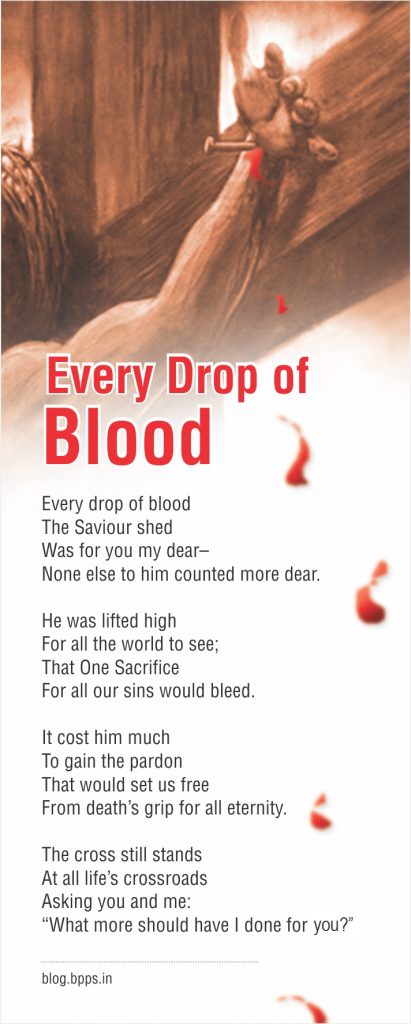
And the blood of Jesus on the cross tells you this: your night is not the end of your story. It assures you: there is hope for your today, and a future for your tomorrow.
Every Drop of Blood
Would You Be Free from the Burden of Sin